
TPO — thermoplastic polyolefin — has become one of the most widely specified membranes for flat and low-slope roofs in Auckland. If you're involved in a commercial build, a re-roof, or a multi-unit residential project, there's a good chance your specifier or builder will mention it. Here's what you need to know.
What is TPO membrane?
TPO is a single-ply roofing membrane made from a blend of polypropylene and ethylene-propylene rubber. The result is a flexible, weldable sheet that can be mechanically fastened, adhered, or ballasted to a roof deck.
The key distinction from older systems is how the seams are joined: TPO is hot-air welded rather than glued or lapped. A robotic or hand-held welder fuses the overlapping sheets at temperatures between 400–600°C, creating a bond that is actually stronger than the membrane itself. This eliminates the most common failure point in flat roofing — the seam.
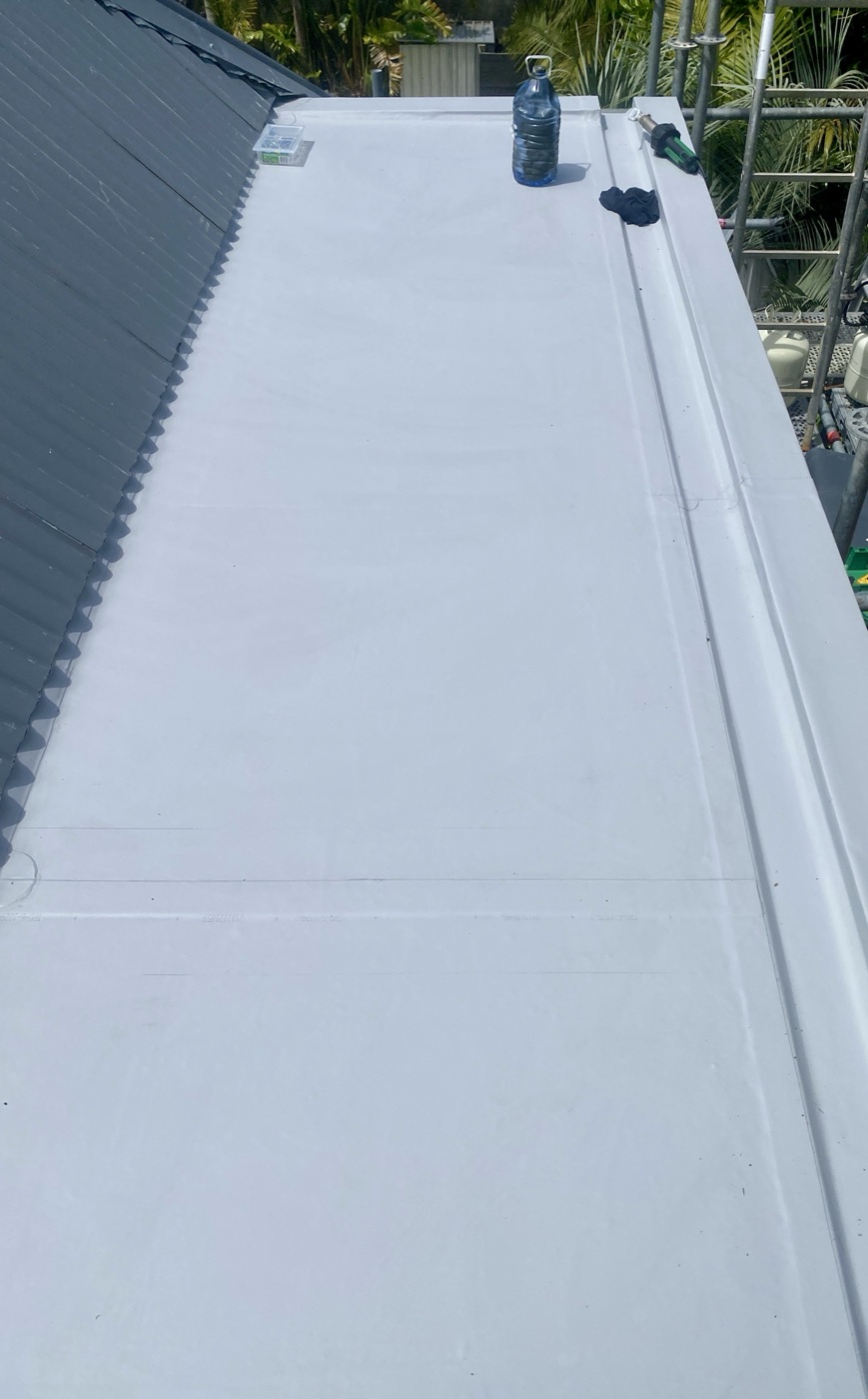
Where TPO performs best
TPO is at its best on flat and low-slope roofs where watertight seams matter most. Common applications in Auckland include:
- Commercial and industrial flat roofs
- Multi-unit residential buildings (townhouses, apartments)
- New builds requiring a long-term, low-maintenance solution
- Re-roofs where the existing structure can support a single-ply system
- Covered decks and elevated walkways
It's less suited to highly complex geometries with many penetrations — for those situations, a liquid membrane or torch-on system often gives more control at the details.
TPO's white reflective surface reduces solar heat gain, which can lower cooling costs in commercial buildings — a practical benefit beyond just waterproofing performance.
How long does TPO last?
A properly installed TPO system with correctly welded seams and adequate upstand details will typically last 20–30 years. The membrane itself is resistant to UV radiation, ozone, and most chemical contaminants. In Auckland's climate — high UV, variable temperatures, frequent rainfall — TPO holds up well provided it's installed correctly from the start.
The most common cause of premature failure isn't the membrane itself — it's poor installation. Inadequate seam width, incorrect weld temperature, or missed flashing details at walls and penetrations. These are the areas we focus on.
TPO vs torch-on: which is right for your project?
Both are proven systems with long track records in New Zealand. The choice usually comes down to the specific project:
- TPO suits large, relatively simple roof areas where speed of installation and seam strength are priorities. It's generally the preferred choice for new commercial builds.
- Torch-on suits complex geometries, tight detailing, and situations where you need to apply the membrane in stages. It's also well-established in the residential market.
In practice, the right answer depends on the roof profile, substrate, budget, and what your installer is experienced with. We'll recommend the system that's genuinely correct for the job — not the one that's easiest to install.
What to expect from an installation
A standard residential TPO installation on a flat roof typically takes one to three days depending on size and complexity. Commercial projects vary widely. Key stages:
- Substrate preparation — the deck must be clean, dry, and structurally sound. Any soft or damaged areas need to be addressed first.
- Insulation and cover board (if required) — some specifications call for tapered insulation to improve drainage falls.
- Membrane installation — sheets are laid and either mechanically fastened or adhered, depending on the spec.
- Seam welding — all overlaps are welded, then probed to confirm bond strength.
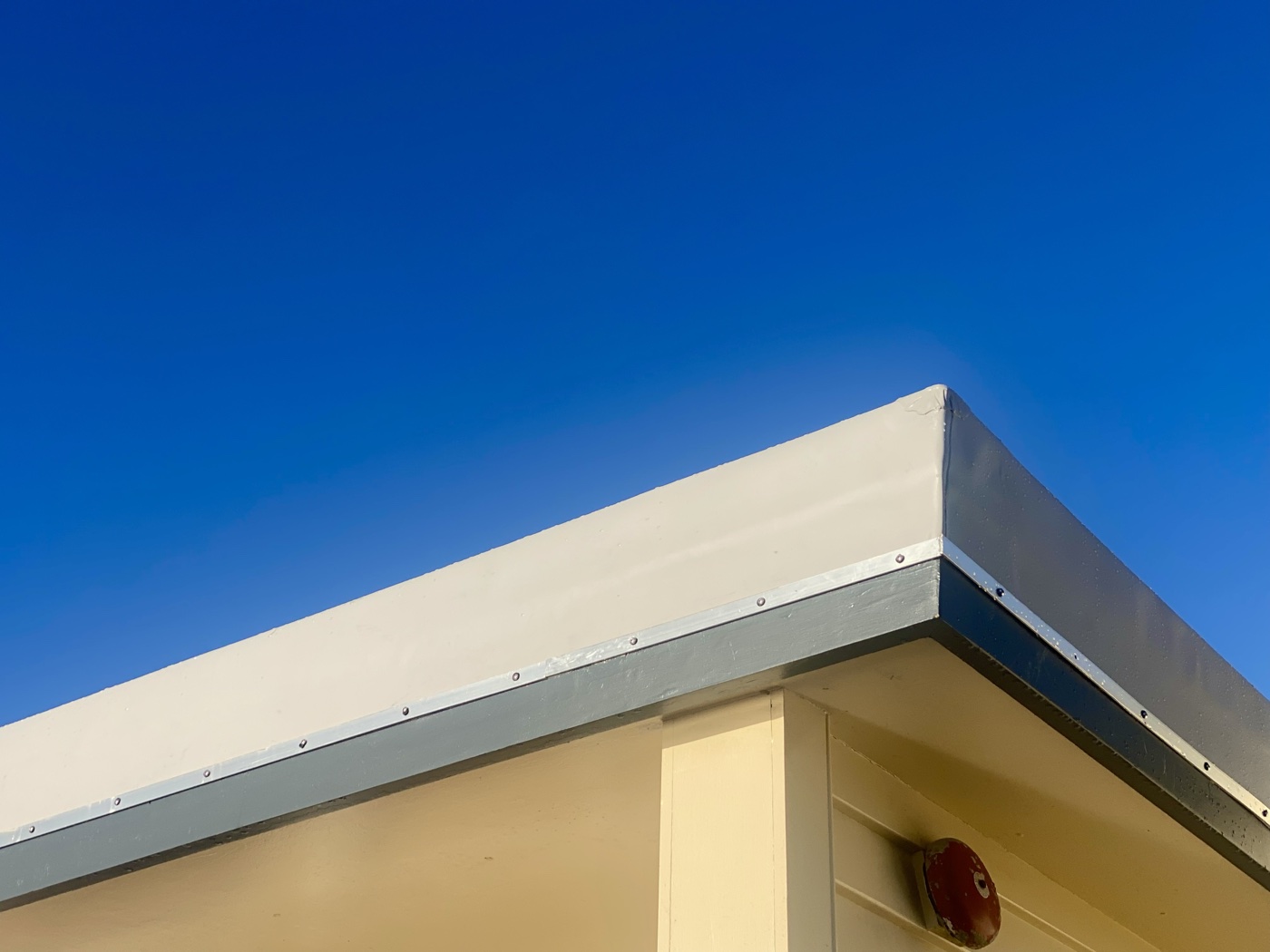
- Detailing — penetrations, upstands, drains, and edges are flashed and finished.
A completed TPO installation should be watertight before any rain — we don't leave a site with open seams or unfinished details, regardless of schedule pressure.
Need TPO on your project?
We'll assess the roof and give you a clear, itemised quote. No vague estimates.
Get a Free Quote