
EPDM rubber membrane — the flexible, long-lived system preferred for timber decks, complex geometries and surfaces that move.
Butynol is New Zealand's most trusted flexible membrane — a vulcanised EPDM rubber system that moves with the substrate rather than cracking under it.
Butynol is a vulcanised EPDM (Ethylene Propylene Diene Monomer) rubber membrane — one of the most established waterproofing systems in New Zealand. Its synthetic rubber composition gives it exceptional flexibility, allowing it to stretch and move with the substrate without cracking or delaminating.
Seams are bonded using EPDM-compatible adhesives and tape systems, creating a watertight joint that maintains flexibility through thermal cycling and structural movement.

System advantages
Timber decks expand and contract. Butynol's rubber composition accommodates this movement — maintaining watertight integrity where rigid membranes would crack at joints and corners.
EPDM is the system of choice for irregular shapes, curved upstands, and surfaces with multiple penetrations. The membrane conforms without bulking or creasing at transitions.
EPDM has been in commercial use for decades precisely because of its UV and ozone resistance. The membrane doesn't embrittle or chalk under prolonged sun exposure.
Applications
The preferred membrane for decks over timber framing — flexibility handles seasonal movement without delamination or joint failure.
Well established in residential and light commercial roofing across Auckland — reliable long-term performance with minimal maintenance requirements.
Butynol patches and overlays are frequently used in remedial work — the adhesive system allows effective bonding to existing substrates when conditions allow.
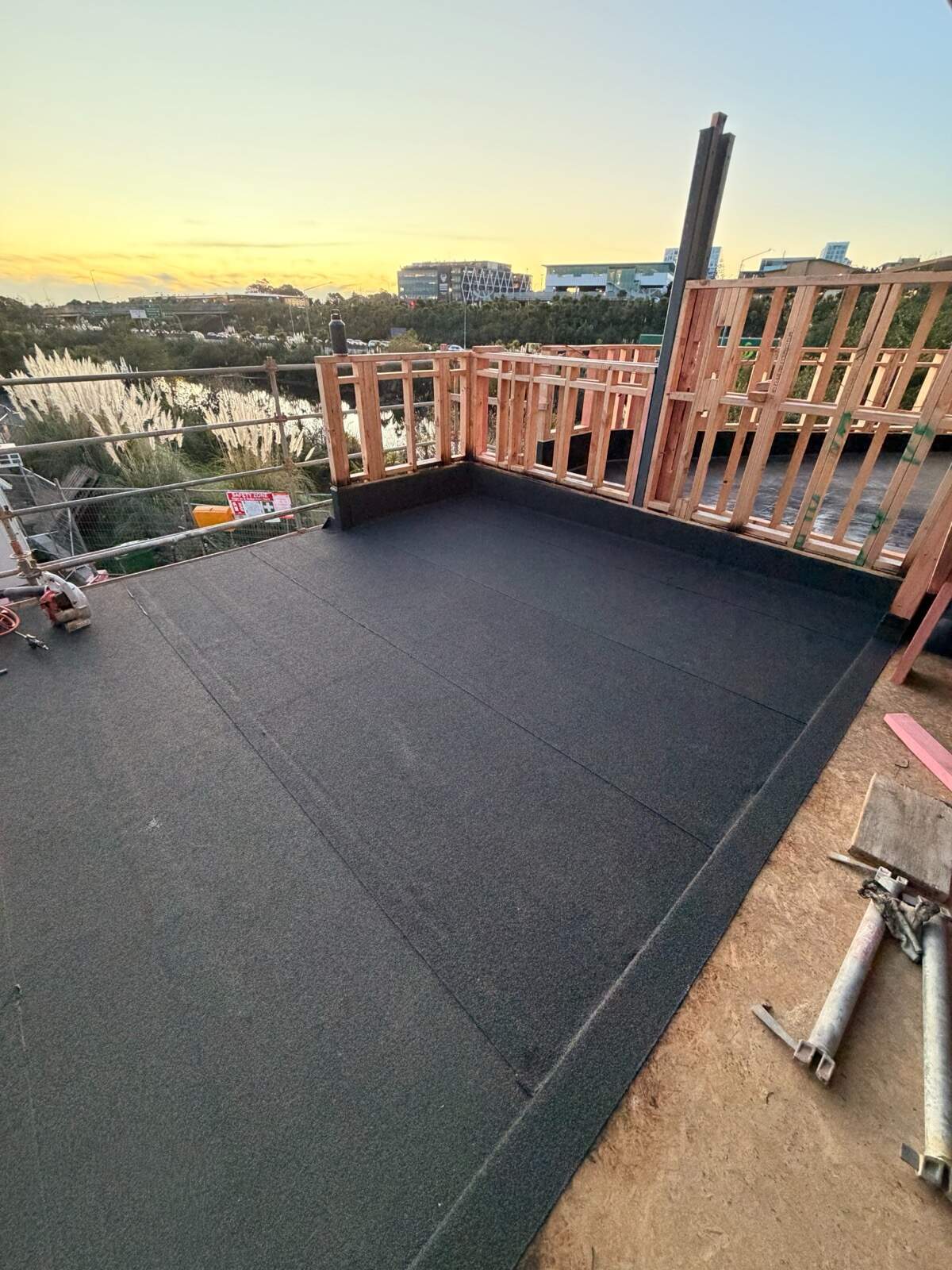
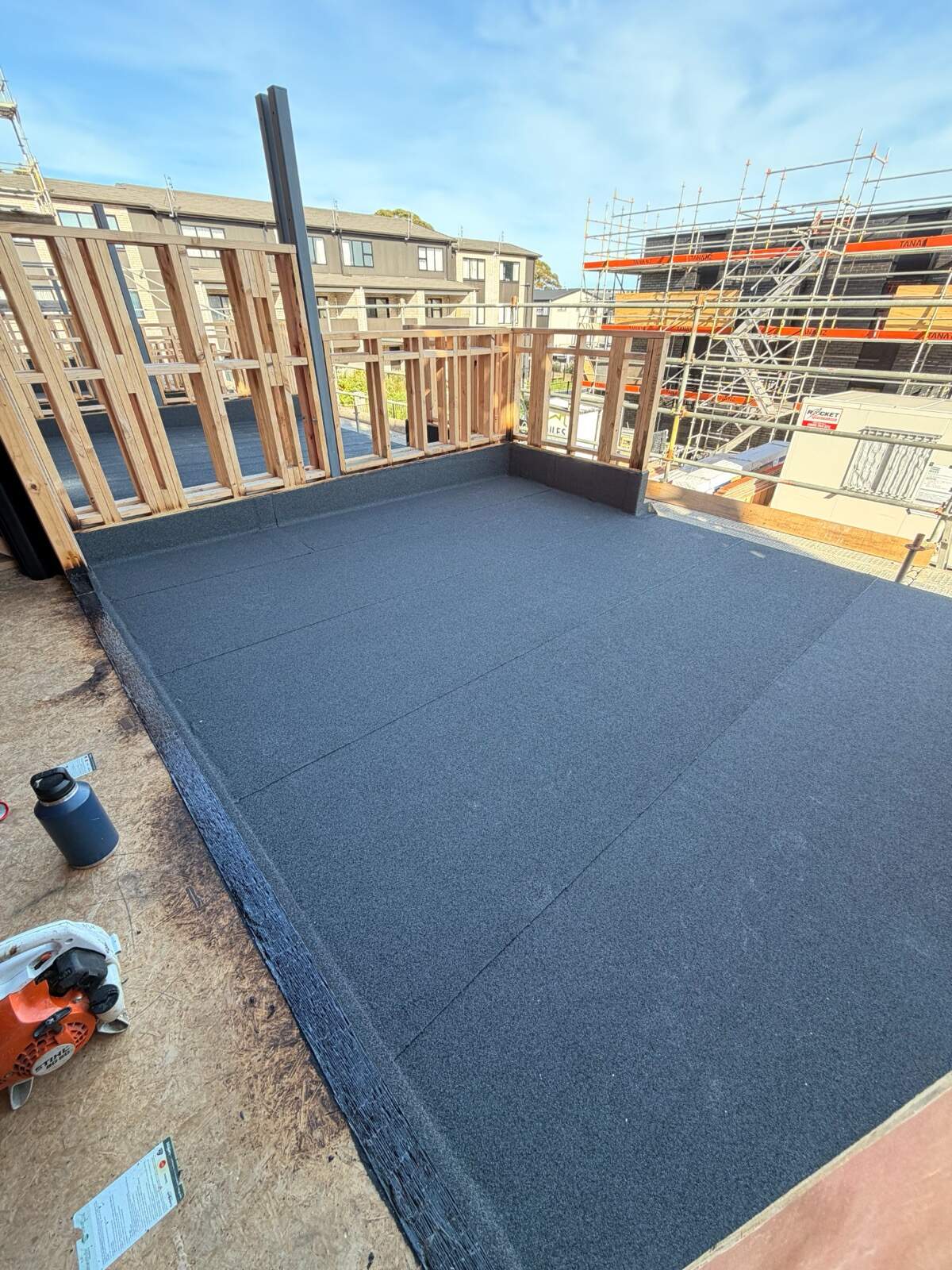
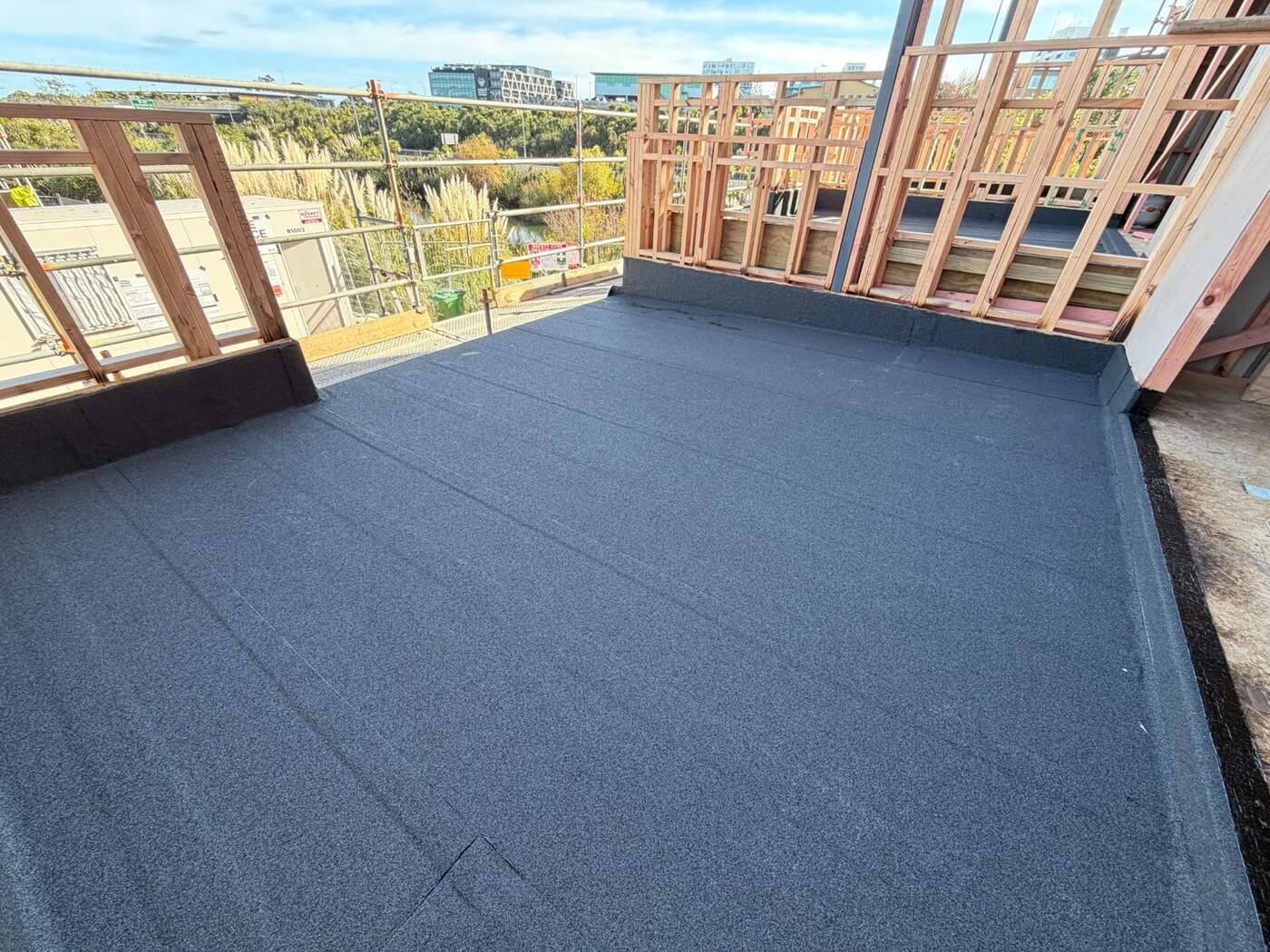
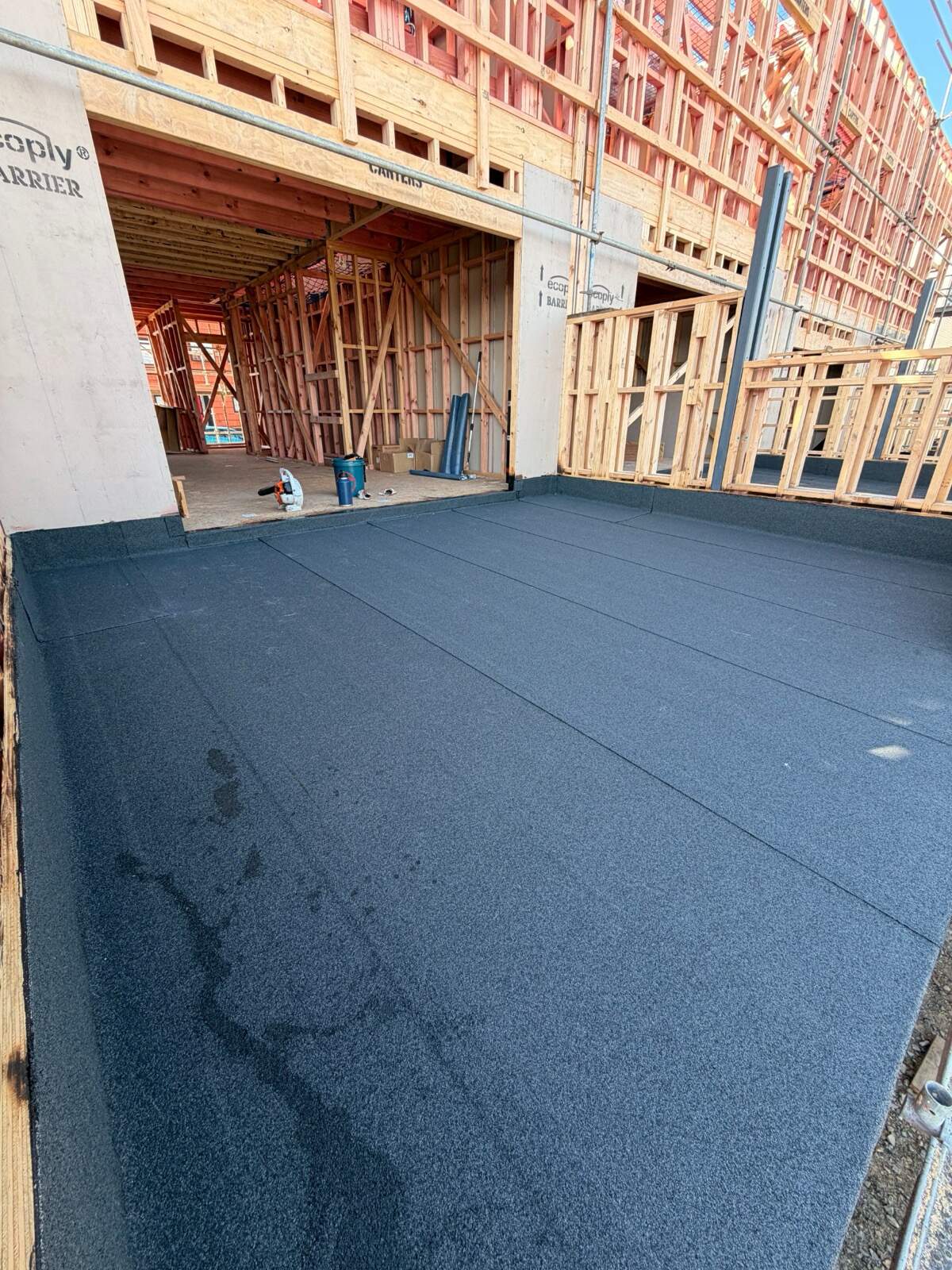
Our work

FAQ
Butynol is a brand name for vulcanised EPDM (Ethylene Propylene Diene Monomer) rubber membrane. It's a synthetic rubber product manufactured specifically for waterproofing applications and has been used in New Zealand for decades.
For timber decks, Butynol is often the preferred choice because of its flexibility. Timber moves seasonally with humidity and temperature changes — a flexible EPDM system handles this better than a stiffer bitumen membrane. For concrete substrates, both systems perform well and the choice depends on other factors.
Correctly installed Butynol systems typically achieve 20–30 years of service life. The seams and adhesive bonding are the most critical factors — which is why surface preparation and correct installation technique are essential for longevity.
Yes. EPDM can be patched using compatible EPDM patch material and adhesive. Repairs bond well when the existing membrane is clean and in good condition. We assess any existing Butynol membrane before recommending repair versus full replacement.
Related systems